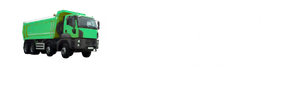

Most Dothan homeowners find out the hard way: you finish a weekend project, stack the debris at the curb, and the city truck drives right past it. That is not a missed pickup — it is the rule. The City of Dothan’s own Code of Ordinances, Chapter 82 — Solid Waste, spells out exactly what the city will and will not collect.
The nine things Dothan will not collect
Section 82-20(h) lists the categories excluded from city collection. The big ones for anyone doing a project:
- Building material — and the ordinance’s own definition (Sec. 82-1) names lumber, brick, block, carpet, concrete, asphalt and roofing shingles specifically. The only exception is debris from “minor repairs by the owner as determined by the public works director.”
- Tires — “automobile, truck, tractor, and other vehicle tires and any other motor vehicle parts.”
- Contractor-generated debris — if you hire someone to do the work, hauling the mess is their job, not the city’s.
- Piles pushed together by machine — “any trash pushed or pulled into piles by mechanical means.”
- Limbs over 8 inches thick and their stumps, plus tree debris from contractor work.
- Anything over 50 pounds or 35 gallons outside the listed appliance categories.
- Hazardous refuse of any kind.
The brush rules trip people up too
Even the yard waste the city does take has limits: branches must be cut to lengths of five feet or less and no more than eight inches in diameter, stored in neat piles separate from grass, leaves and pine straw (Sec. 82-20(e)). After a real storm, almost nothing a tree drops fits those numbers.
So where does renovation debris actually go?
Under the same ordinance, refuse the city will not collect “shall be removed by the producer or at his expense.” In practice that means one of two things: hauling it yourself, or putting a roll-off container in the driveway and letting a local provider haul it once. For a bathroom gut, a residential dumpster handles it; a tear-off roof needs a roofing container sized for shingle weight; and a full renovation is construction dumpster territory.
One call to (334) 453-7676 connects you with a local provider who will tell you the size and the flat rate before you hang up.